
Shop Local, visit a Farmers Market!
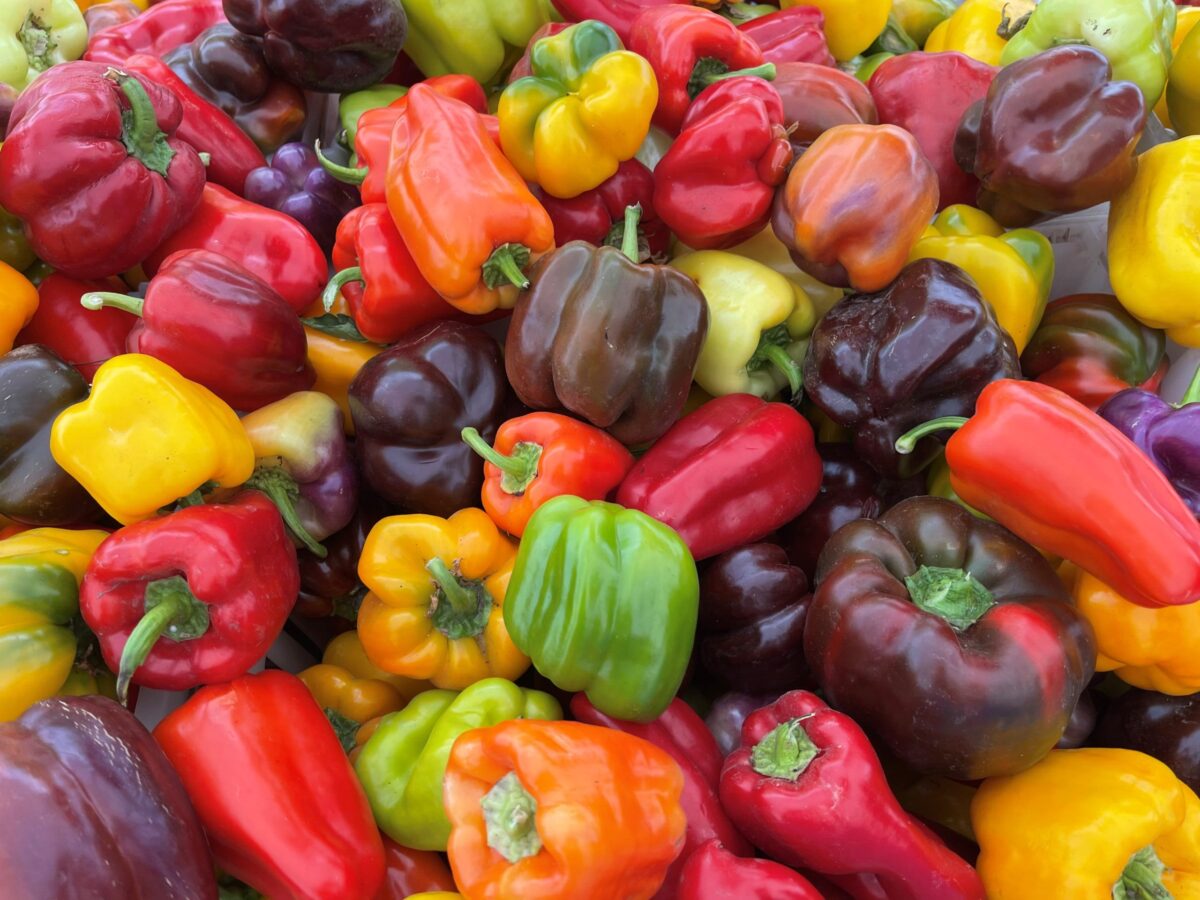
One of the first noted farmers markets in the United States dates back to 1730 in Lancaster, Pennsylvania. Back then, farmers markets served as a critical link in our local and national food system. The growing, buying and selling of fresh local produce, meats and baked goods was essential to early life in the pre-grocery store era, where a variety of markets served communities.
In 1973 Sonoma County Farm Trails was established by a group of trail-blazing famers who sought to create a map and guide for local agriculture and create opportunities for the public to meet farmers and learn about their food sources. The map and guide are still created annually today, showcasing countless agricultural producers and over 22 farmers markets throughout the county. The original, the Santa Rosa Original Certified Farmers Market was established in 1978 and still runs today on Wednesdays and Saturdays at the Luther Burbank Center with expansion to Guerneville and Cloverdale.
A list of Farmers Markets by region can be found here >>
Or search by what’s open per days of the week here >>
Farmers markets across Sonoma County and beyond have grown not only in number, but in accessibility, expanding to accept SNAP and WIC benefits and helping more families bring fresh, local food to their tables. What was once seen as a boutique or weekend outing has become a vital community resource, where affordability and quality meet. Many markets now offer matching programs, stretching dollars further and making fruits, vegetables, and other locally produced goods more attainable. Matching programs are incentives that double or stretch a shopper’s SNAP, CalFresh, or WIC dollars at participating farmers markets so they can buy more fresh fruits and vegetables. For example, if someone spends 10 dollars in benefits, the market may add another 10 dollars in matching tokens or credits, depending on the market’s rules and funding. These programs help make local produce more affordable while also supporting farmers and keeping more food dollars in the community.